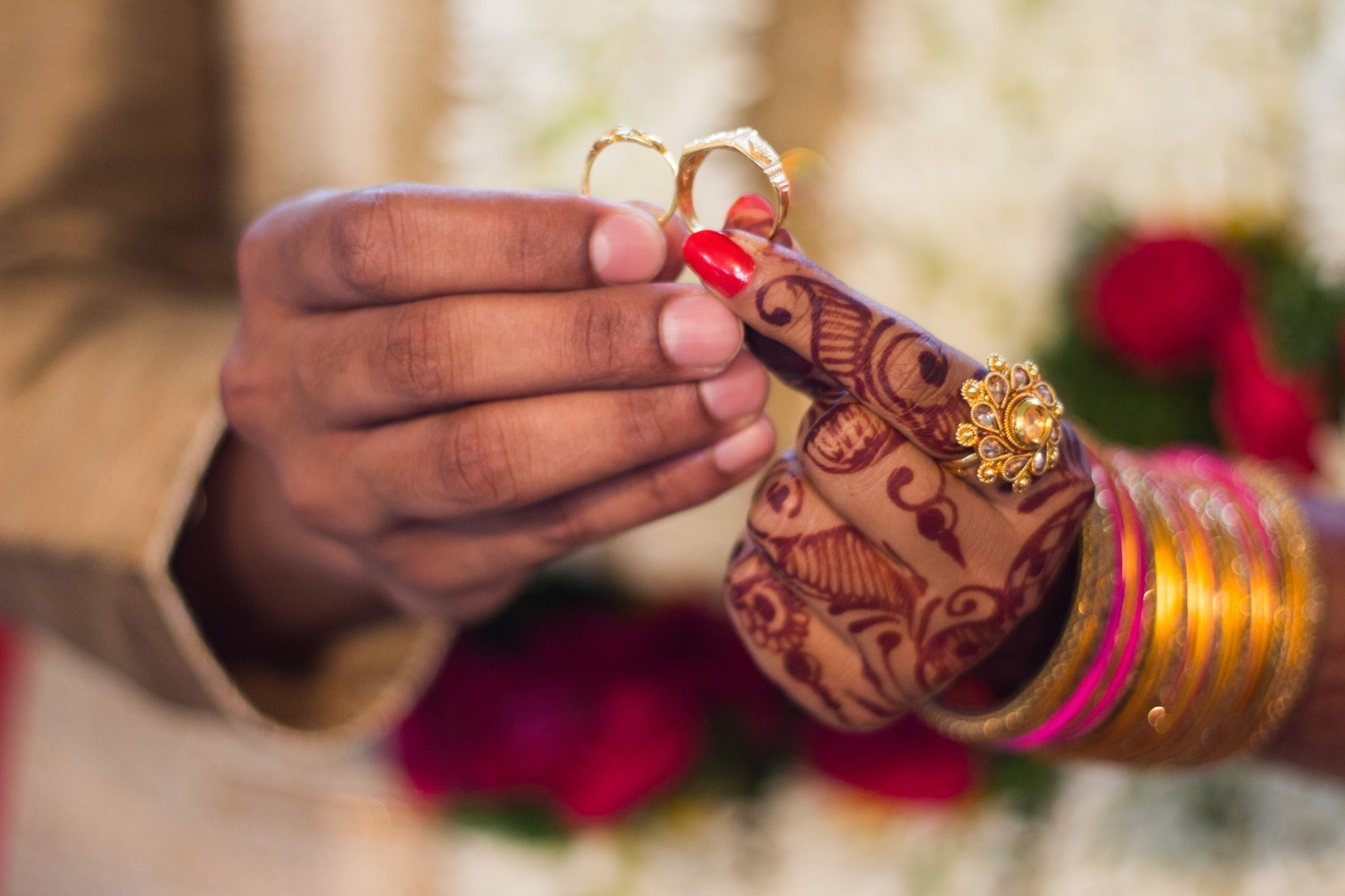
BEST KUNDALI MATCHING BY DATE OF BIRTH
MATCHMAKING FOR MARRIAGE
THROUGH VEDIC ASTROLOGY
36 GUNA MILAN ANALYSIS
Under Gun Milan, if 18 or more points are matched out of 36 it is considered horoscope of both partners are matched.
But there many other things that need to be considered before entering into a relationship or marriage.
Kundli Matching is the task of an experienced astrologer who matches horoscopes of both partners and provides his valuable tips or information in order to make the life of both partners better when people entering into their love relationships.
A Horoscope Matching calculates a score out of 36 guna, which tells you how well the boy and the girl match with each other. However, a Horoscope Matching alone will not necessarily provide the insight needed to make this marriage a success.
Sometimes it is not easy to know the exact nature and mental makeup of a person just by verbal communication. We have proven the science of Indian Horoscope which can help you in a great deal. Indian Horoscope Matching is done so that both persons live a balanced, harmonious, and healthy life together for a long period.
Generally, people assume basic only Gun Milan is a method to get horoscope matched, but Matching Horoscopes is much more than this.
With a strong strategy in hand, all you need to do is execute it right. Our time-tested remedial solutions will guarantee you success in the coming time. Go ahead grab your advantage.
PREDICTIONS MADE EASY
Our Process
01
Query Analysis
First, we go through your current situation and queries before we get into your birth details and horoscope.
02
Kundali Matching By Date Of Birth
After that, we start prediction on the basis of your specific queries. It could be over the call or via email as per your convenience.
03
Report Delivery
We provide you with a PDF report as well as various Kundli/Horoscope Charts for your Future references.
Why Mahadasha? – Kundali Matching by DOB…
Kundli Milan, Marriage Compatibility test or Horoscope Matching is a deeply rooted practice in Match-Making in India. Vedic astrology provides a method to match the horoscopes of both partners and choose the right partner.
Indian Horoscope matching is done to identify the love, features, nature, and communication features of persons.
We have your back…
Our Statistics
SUBSCRIBERS
COUNTRIES
CLIENTS
PREDICTIONS
KUNDLI MILAN FOR MARRIAGE
Kundli Milan, Matchmaking or Horoscope Matching is a deeply rooted practice in Match-Making in India.
- This contains:
- This report will provide you
- The six major points matching.
- Explanation and analysis of Horoscope matching
- Effect of planet Mars in both the horoscope
- Gun Milan table Number of Gun Matching
- Conclusion and final astrological recommendations
- Recommendations of astrological remedies
Would you like to know if the person with whom you are going to get married is compatible with you?
Would you like to get married without having a single doubt about your life partner?
Then the answer is Kundali Matching!
CONSULT NOW!
TALK TO AN ASTROLOGER NOW!
(If you have any doubt before you go for our predictions then reach us.
We will keep your details confidential and get back to you)
If you are encountering complications in your marriage, do not get worried.
We are going to make it easier for you to get the solutions and recommend suitable remedial ways to help your matchmaking-related challenges.
KUNDALI MATCHING BY DATE OF BIRTH
ASK US ABOUT YOUR MATCHMAKING OR KUNDLI MILAN
Quick Summary that you will get along with this report:
- Your natal horoscope
- Your personalized Astrological details
- Effects of particular Planets
- Explanation and analysis of Horoscope matching
- Effect of planet Mars in both the horoscope
- Gun Milan table
- Number of Gun Matching
- Conclusion and final astrological recommendations
- Recommendations of astrological remedies
- Analysis of Divisional Information Skills and Weak points
- Special touch upon your Kundali Milan issue
- Periods helpful for Muhurat for Marriage
- Details regarding Other Skills
- Periods of rising and fall
- Dasha table
- Dasha Evaluation in relation to marriage
- Yantra suggestions
- Guidance of astrological remedies
CONSULT US
&
GET MATCHMAKING FOR MARRIAGE / KUNDALI MATCHING REPORT
THE UNIQUE KUNDALI MATCHING REPORT WILL INCLUDE THE FOLLOWING:
- Gun Milan: Out of 36, basic compatibility is matched with 18 numbers. Below 18 Guna number horoscope is not considered as matched properly and it not good for future prospects.
- Mental Compatibility: Mental makeup of both partners are analyzed by expert astrologer so that their mental compatibility matches with each other. If both partners are short-tempered, then it may result in a strained relationship.
- Manglik (Mangal) Dosh: The Manglik dosha is checked by the placement of planet Mars in the horoscope of both partners in certain houses. If not checked properly for Manglik Dosha relationships can have ill effects.
- Longevity: For Long term relationships it is necessary to check the longevity of both boys and girls carefully. If there is a reasonable difference then there is no need to match it further.
- Separative Tendencies: There should not be any separative tendencies in any of the partners. Both partners should not have any tendency for long separation or any signs of divorce between them.
- Children: In a long-term relationship or marriage, every couple wants to have children out of their relationship. Horoscopes must indicate at least one child out of their relationship.
- Health: Health is another most important factor which needs to be considered. Both partners should lead healthy life and should not face any crippling or fatal diseases or accidents.
- Sexual attraction & satisfaction: There should some level of sexual attraction between both partners and both should be able to satisfy the sexual urge of their partner.
You could also ask any specific question of yours related to Matchmaking which is not covered in these points.
Your Payment Is Secured
PAYUMONEY & PayPal |
 |
Click on ‘Add to Cart Above.
GET IT NOW
(You can pay as per your convenience, credit card, debit card, net banking, cash wallets, UPI transfer, etc).
(NOTE: International Customers can use PayPal as a secured Payment Option)
FAQs – Frequently Asked Questions
What methods do you use?
We use Vimshottari Mahadasha, Antardasha, Pratyantar, Jaimini & Yogini Dasha mainly. We look deeply into each Dasha period for the particular inquiry. Apart from this, my analysis includes hints from Nadi, Ashtakvarga, and other methods. We use all these methods so that we can confirm results with the best possible method.
Why should I consult with Mahadasha.com?
Today Mahadasha.com is most probably the only Astrology Online portal that forecasts each and every horoscope manually based on Dasha Predictions and Vedic Astrology (Indian Astrology).
We keep transparency at every level of communication with our customers as we understand and aware of the frauds in Astrology & Horoscope industry. You can rely on us and our services as we are live since 2014 and our Astrologers are at least 15+ years of experienced professionals.
How many questions I can ask?
You can ask as many questions as you wish to ask. We also provide suggestions to ask questions in our Astrology Service pages. Kindly check and choose your questions.
How you process our Questions?
All the queries that we get from our website interface and from our partners pass through two levels. They first go to a junior astrologer who makes the relevant chart, casts the predictions, and sends it to another senior astrologer. The senior astrologer then validates the reply and makes it in a customer presentable form.
Once the query has been approved by our senior astrologers it goes to the customer. The entire process takes 7-10 business days.
It would be also useful to note here that all our astrologers follow the astrological principles taught and practiced by Shri Pawan Acharya.
Can I have any follow-up sessions?
Yes, after we deliver the report to you, in case you still have any doubts then you can surely contact or reply to us with the follow up on your further questions on the basis of our analysis. We can discuss it over the phone call or via email at your convenience.
What will I get as Mahadasha Online Horoscope Predictions?
This is the most common question that people ask, who are looking for Astrology consultation. Well, you will be getting a handwritten report based on your questions and the amazing thing is that whatever we answer is with logical reasons mentioned with the principles of Astrology.
Not only this, but you will also get a PDF with various Horoscope charts for your future reference along with the DASHA PREDICTIONS, PLANET PREDICTIONS, etc. Apart from it, you will be getting the LIVE VIDEO-RECORDING of your HOROSCOPE ANALYSIS (on demand). As we said before, we keep each and everything transparent in our services. We are here to help not just to make money… 🙂
Can we consult over the phone call?
Yes, we do provide consultation through the phone. You can email us and request a ‘personal consultation over the phone. We provide it with ‘NO TIME LIMIT’ until your query is resolved.
Do you provide any remedies and solutions?
Yes, this is why we are here to provide you the complete Astrology Solutions. We provide remedial solutions on the basis of your horoscope and planet positions only while using the methods of Vedic Astrology. We don’t suggest any unnecessary Tone Totke and Tantras.
How can I pay for your Astrology Services?
We are using PayPal as our payment gateway. Paypal is the most common and secure payment solution. We have started accepting payments globally now. Indians can pay through PayUMoney as well, you can select it at the ‘Checkout’ page and can pay through any medium, like Credit, Debit cards, Cash Wallets, UPI transfer, etc.
Do you offer any discounts?
We offer discounts occasionally, mostly at festive season time. You can subscribe below to our website for any discount updates.
Do I really need to consult an Astrologer?
Definitely, a ‘YES’, because Astrology is a science, not a Myth or entertainment kind of stuff. Vedic Astrology especially an ancient science that allows us to know about any possible bad situations or hurdles in our life path. Through any true or genuine Astrologer, you can get to know the right path and remedies to achieve your goals or anything you wish to do. Each and everything in the Universe is made up in the form of energy. So, through Astrology and Horoscope analysis, we find out the best possible way to take out the positive outcome inside from you.
Will I get a refund or a money-back guarantee?
Since it is a consultation and service-based, therefore, we are ready to listen to your issues if there is any other case then we are ready to process the refund if all things are good. About the money-back guarantee, well we are not promising about any guarantee but yes whatever we serve is transparent and you will be served till your satisfactory level.
I would like to speak to an Astrologer before I order my services.
Yes, definitely you can consult and clear your doubts before you order any Astrology Services with Mahadasha.com. You can do it by filling up the contact form on our Contact Us page.
Have any questions?
Feel Free to Contact Us
Phone : +91 9654 648 978
Email: dasha@mahadasha.com
Open Mon – Fri
09:00 – 21:00






Reviews
There are no reviews yet.